






Top stories




Marketing & MediaWhy keeping your customers is now the smartest growth strategy
Cristelle Snyman, Everlytic 10 Jun 2026

HR & ManagementHow dotsure.co.za is growing South Africa’s next generation of talent
Dotsure.co.za 10 Jun 2026

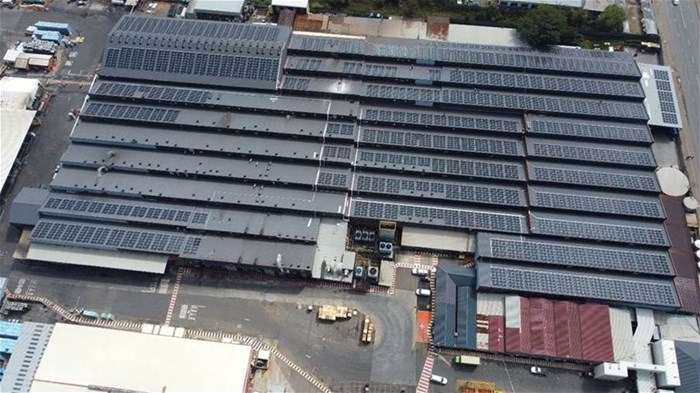
The solar installations form part of a multi-million-rand investment programme aimed at increasing the use of sustainable energy solutions across the company's manufacturing operations. The seven sites, located across the Free State, Gauteng, North West and KwaZulu-Natal, are currently generating clean energy that contributes directly to powering manufacturing activities.
The most recent to go online is Tiger Brands’ Culinary manufacturing site in Boksburg, Gauteng, following the company entering into a Solar PPA with energy producer Solar Africa for a 1.9MWh solar installation. The installation has begun contributing clean energy at the site since May this year.
Tiger Brands’ solar rollout supports the company’s commitment to source 31% of its electrical energy requirements from renewable sources by 2030. In addition, the aim is to reduce carbon emissions by 30% and improve energy efficiency across its operations by the same margin over the same period.
"Our investment in renewable energy is about building a more resilient and sustainable manufacturing footprint while supporting South Africa's transition to a lower-carbon economy," says Praveen Balgobind, chief manufacturing officer at Tiger Brands.
"Solar energy is already helping several of our manufacturing facilities reduce their dependence on conventional electricity sources while improving operational efficiency. Importantly, this is just one component of a broader renewable energy strategy that will continue to evolve over the coming years."
Tiger Brands plans to expand renewable energy generation across additional manufacturing sites as part of its long-term decarbonisation roadmap. By 2030, the company intends to have renewable energy solutions, including onsite solar generation, installed across a significant portion of its manufacturing network.
The renewable energy programme is complemented by a range of energy efficiency initiatives implemented throughout Tiger Brands' operations. These include detailed site assessments to identify energy-saving opportunities, improved measurement and metering systems, and targeted interventions designed to reduce overall energy consumption.
"We are avoiding a blanket approach in favour of site-specific assessments. Our goal is to deploy tailored innovations and initiatives that address the unique needs of each location while systematically eliminating energy inefficiencies," says Balgobind.
In addition to on-site solar generation, Tiger Brands continues to pursue other renewable energy opportunities. Earlier this year, the company signed a landmark electricity wheeling agreement with renewable energy supplier Apollo Africa. This will enable renewable electricity generated off-site to be transmitted via the national grid to Tiger Brands’ manufacturing facilities in Gauteng from 2028.
Through the agreement, sites supplied via the Ekurhuleni Municipality are expected to receive approximately 60% of their electricity requirements from renewable energy sources by 2028.
The combination of onsite renewable energy generation, electricity wheeling arrangements and ongoing efficiency improvements forms part of Tiger Brands' broader strategy to reduce greenhouse gas emissions, strengthen energy security and enhance the sustainability of its operations.

