As South Africa continues to grapple with high youth unemployment, young entrepreneurs are finding innovative ways to create opportunities within their communities.
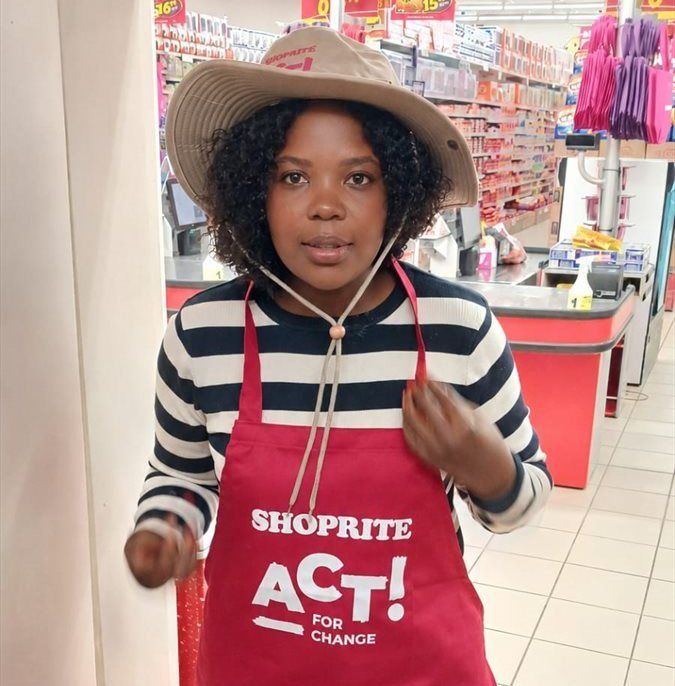
Source: Supplied | Mosa Hope Mapheto, Founder, Thoro Ya Peu Youth Project
Mosa Hope Mapheto, founder of the Thoro Ya Peu Youth Project, is one of them. Through agriculture, she is helping create opportunities for young people in rural Limpopo while supporting food security and community development through a range of youth-focused initiatives.
As part of Bizcommunity's #YouthMonth feature, she shares her career journey, the challenges facing South Africa's youth, and the role agriculture can play in building more sustainable futures.
Tell us about yourself, your background and the work you are doing today.
My name is Mosa Hope Mapheto, and I am an LLB graduate, entrepreneur and community development advocate from Ga-Mphahlele in Limpopo. I have always been passionate about creating sustainable solutions that address challenges facing rural communities.
Today, I lead a community-focused agricultural initiative that uses farming as a vehicle for food security, skills development and economic empowerment. We work with unemployed youth from the community, equipping them with practical skills in sustainable agriculture by creating opportunities for them to participate in productive farming activities. We also run school gardening projects.
What inspired you to pursue the agricultural industry?
Growing up in a rural area, I witnessed firsthand the socio-economic challenges that often prevent young people from reaching their full potential. While many are motivated and capable, limited access to resources, skills development programmes and meaningful opportunities makes it difficult to build sustainable livelihoods.
This experience inspired me to view agriculture as a viable pathway to help address these challenges and create opportunities for growth and empowerment.
Looking back, what has been the most important milestone in your journey so far?
One of the most important milestones in my journey has been seeing unemployed young people become actively involved in agriculture and developing skills that can support them beyond the farm. Building a project that creates both social and economic value has been incredibly fulfilling.
Another significant milestone has been receiving recognition through entrepreneurship and innovation platforms, which helped validate our vision and opened doors to new partnerships and opportunities for growth.
To date, we have established food gardens in seven primary schools and employed 40 young people through Afrika Tikkun. We work alongside another NGO, where we run a soup kitchen at drop-in centres and distribute vegetable parcels to vulnerable families with little to no income. To date, we have impacted more than 615 families.
What opportunities do young South Africans have today that previous generations may not have had?
Young South Africans today have greater access to information, technology, entrepreneurship programmes, mentorship and innovation platforms.
There are more opportunities to participate in business competitions, incubator programmes and skills development initiatives that help young people turn ideas into viable enterprises.
Young people can also access knowledge and markets more easily through digital platforms, allowing them to compete and collaborate in ways that were not possible for previous generations.
What do you believe is the biggest challenge facing young people in South Africa right now?
I believe the biggest challenge is unemployment and the lack of access to meaningful economic opportunities.
Many young people have talent, ambition and ideas, but they often struggle to find pathways into employment or entrepreneurship. This challenge is particularly severe in rural communities, where access to resources, markets and support structures can be limited.
The result is that many young people feel excluded from the economy despite having the potential to make valuable contributions.
How have you navigated obstacles in building your farm?
Establishing the farm came with many challenges, including limited resources, infrastructure constraints and the high costs associated with agricultural production.
However, strategic partnerships and perseverance have played a critical role in helping us overcome these obstacles. Shoprite's Act For Change programme has provided valuable support through working tools, seeds, irrigation infrastructure and technical guidance.
We have also been intentional about reinvesting in the organisation. Funds received through entrepreneurship and pitching competitions, as well as profits generated from the sale of our produce, have been channelled back into expanding and strengthening the farm.
What advice would you give to young South Africans entering the world of work or starting a business?
Believe in your vision, but be prepared to work consistently for it.
Start with the resources you have and focus on solving real problems within your community. Do not be discouraged by small beginnings because every successful venture starts somewhere.
Seek mentorship, remain open to learning, and take advantage of opportunities such as competitions, training programmes and networking platforms.
What is one change that would make the biggest difference for young people in South Africa today?
Greater investment in practical skills development and community-based entrepreneurship would make a significant difference.
Young people need more opportunities to gain hands-on experience, access mentorship and participate in initiatives that generate both income and impact.
By supporting youth-led enterprises, particularly in sectors such as agriculture, we can create sustainable livelihoods, strengthen local economies and empower young people to become active contributors to the future of South Africa.