
FedEx backs skills development to help bridge South Africa's youth employment gap

FedEx is among the organisations investing in initiatives aimed at supporting youth development, from learnerships and workplace training to education and community programmes.
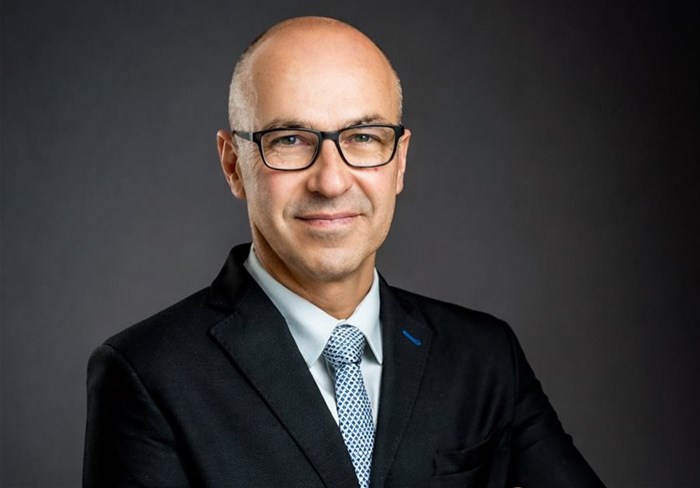
As part of Bizcommunity's #YouthMonth feature, Nelson Teixeira, managing director of operations sub-Saharan Africa at FedEx, discusses the importance of skills development, employability and creating pathways into the world of work for young South Africans.
Why is youth development important to FedEx and the future of South Africa's economy?
South Africa has one of the youngest populations in the world, and its young people are the future workforce, the next generation of entrepreneurs, and the key to long-term economic growth. The country's prosperity depends on how well we equip them with the skills and opportunities to actively contribute to the economy.
For FedEx, investing in youth development is both a social and business priority. We connect people and possibilities around the world, and to do that, we rely on skilled individuals and capable communities.
As a company that connects people and possibilities, we recognise that long-term economic growth depends on expanding access to opportunity, skills and employment. Through our FedEx Cares initiatives and youth-focused programmes, we invest in future talent and stronger communities by helping young people develop the confidence, capabilities and experience needed to participate in the economy.
What youth development and skills programmes does FedEx currently offer??
Our programmes fall into three broad categories: employment and skills development, education support, and community development. Through these three pillars, we provide a holistic approach to help empower young people at different stages of development.
Employment and skills development
We have partnered with the Youth Employment Service (YES) Programme to provide a 12-month learnership programme for unemployed youth that includes rigorous training, mentoring, coaching and valuable work experience.
In addition, our learnership programme for people with disabilities is a 12-month sponsored course that enables youth with disabilities to complete a Business Administration qualification (NQF Level 4), coupled with mentoring and on-the-job training.
Both programmes aim to narrow the gap many young people face regarding work experience, with the hope that they will secure future job placements across the industry.
Educational support
We have built a long-term collaboration with the Lunchbox Fund Foundation. This initiative provides consistent, nutritious meals for children in schools and early learning centres, addressing food insecurity and supporting educational outcomes.
Community development
We also recognise the importance of empowering the communities in which we operate by creating safe spaces where community members can come together.
Through our Street Soccer programme, in partnership with Sporting Chance NGO, we bring accessible sport, coaching and life-skills development to local communities, transforming closed-off streets into structured soccer zones.
In addition, our FedEx Play Parks initiative is an ongoing collaboration with Kids Collab to increase access to safe, inclusive and engaging play spaces for children in underserved communities, supporting their physical, emotional and social wellbeing.
Through these programmes, children can safely explore sport and physical activity within their neighbourhoods. Parents, caregivers and community leaders are also empowered through skills-sharing initiatives to sustain the programmes into the future.
What youth challenges is FedEx aiming to address through these initiatives??
Young South Africans face a range of interconnected challenges. Youth unemployment remains one of the country's most pressing issues, compounded by skills gaps, food insecurity and unequal access to safe, supportive environments that enable young people to learn, develop and participate fully in the economy.
Our most pressing focus is the gap between education and employment. Through our professional development programmes, we directly tackle high unemployment rates by providing practical work experience, formal qualifications and opportunities that can lead to permanent employment.
By supporting school feeding schemes, we address the critical link between nutrition and education, helping reduce absenteeism caused by hunger.
Our community projects complete the picture by creating spaces where children can build discipline, engage in teamwork and learn through play.
Taken together, these initiatives help future leaders grow into healthy, skilled students and, ultimately, employed young adults.
What impact have these programmes had so far?
The clearest measure of impact is that our learnerships are translating into lasting careers.
Since 2019, our YES Programme and disability learnerships have onboarded more than 200 young learners. Many participants have successfully transitioned into permanent roles within FedEx, including 30 learners from the 2019 cohort, 17 from the 2020 cohort and 15 from the 2021 cohort.
In education, our support of the Lunchbox Fund helped deliver more than 24.6 million meals to over 131,000 children across 2,023 educational centres in 2025.
This consistent nutrition improves school attendance and concentration, while the programme also empowers local women through the Food Mamas initiative.
While the Street Soccer and Play Parks initiatives are newer community activations, they are already transforming local streets and community centres into safe spaces where children learn fundamental sporting skills alongside important life skills such as teamwork, discipline and confidence.
What skills do young people need to succeed in today's workplace?
While technical skills and formal qualifications remain important, the modern workplace increasingly demands a combination of professional expertise and human skills.
Adaptability is essential. In a fast-changing and often uncertain economy, the ability to navigate change and remain effective in new environments is increasingly valuable.
Collaboration is equally important. Working effectively with diverse people towards a shared goal is a critical daily reality at a global company like FedEx, where teams learn across cultures and backgrounds.
A culture of continuous learning is also advantageous. We invest in this internally through development programmes across all functions and tuition assistance for staff pursuing further study.
Finally, problem-solving empowers people to think critically and apply practical, solution-focused thinking to everyday business challenges.
Together, these skills equip young people to thrive in a global, fast-moving world of work.
What barriers continue to prevent young South Africans from accessing employment opportunities?
The central barrier remains the experience paradox, where many entry-level roles require prior experience, leaving graduates unable to secure the very opportunities needed to gain that experience.
This is precisely the gap that programmes such as YES are designed to bridge.
Beyond this, factors such as limited access to digital resources and the cost of transport disproportionately affect youth from underserved communities, hindering their ability to seek and secure employment.
Young people living with disabilities often face additional obstacles, including inaccessible workplaces and lingering stigma, highlighting the need for targeted and inclusive learnership programmes.
Addressing these barriers requires deliberate, inclusive interventions such as creating learning opportunities, championing accessible workplaces and investing in the digital and practical skills young people need to compete in today's economy.
What role should business, government and society play in supporting South Africa's youth?
Addressing the challenges faced by South Africa's youth requires a collaborative, multi-sector approach.
As demonstrated by our partnerships with organisations such as Sporting Chance, Kids Collab and the Lunchbox Fund, no single organisation can solve these issues alone.
Businesses must move beyond short-term aid and commit to sustainable, long-term investments in skills development through mentorship and workplace exposure.
Government can continue to incentivise youth employment and create enabling environments for businesses to invest in learnerships.
Society must champion inclusive community initiatives that provide safe spaces for youth development.
When all sectors work towards a common goal, we empower young people to thrive and achieve their full potential.
What message would you like to share with young South Africans this Youth Month?
To the young people of South Africa: your resilience in the face of challenges is a powerful reminder of what can be achieved through determination and perseverance.
Growth is often built through small, consistent steps.
As the world continues to evolve, a commitment to continuous learning and adaptability will help you create opportunities for yourself and those around you.
At FedEx, we are inspired by the ambition and resourcefulness of South Africa's youth, and we remain committed to supporting initiatives that help connect young people to opportunities for growth and success.
Keep pushing forward, and never underestimate the power of teamwork and community spirit.
About Robin Fredericks
View my profile and articles...