
Aesthetic Medicine
Innovation, experience, and expansion: Trendier AI's 2026 K-beauty forecast
Maroefah Smith 13 Nov 2025
 |
Soothe operator: Why South African skin needs locally-made productsMost skincare products on the skincare market are made for European skin in cooler, low-UV climates. South African skin needs something better suited to daily life in Mzansi. 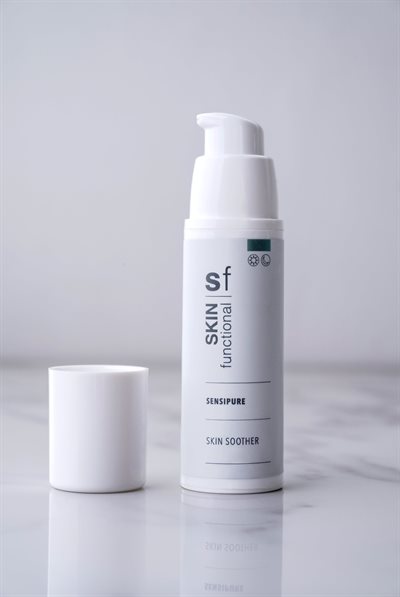 Image supplied. Many of these products do not account for the combined load of sun, pollution, and over-treatment that shapes how local skin behaves. “South African skin is constantly negotiating sun, wind, and pollution, so calm has to be built in, not added on,” says Shannon Dougall, CEO and founder of South African dermatologist-developed skincare brand Skin Functional. To target the specific needs of the South African skincare market, the brand has formulated a locally made, fragrance-free serum that calms redness and supports hydration for skin that is reactive to sun, pollution, and over-treatment. Sooth the skinSkin is resilient and can stay on high alert, acclimatising to the environment, guided by genetics and products. While on high alert, it can also detect damage or “invaders” that it comes into contact with. When the barrier is triggered, and the skin becomes responsive, it can release alarmins but goes through a period of increased water loss and struggles to do its daily job. That is why soothing matters. Aesthetic Medicine Innovation, experience, and expansion: Trendier AI's 2026 K-beauty forecastMaroefah Smith 13 Nov 2025 Inflammation is a clear indicator that skin needs soothing, but this does not just refer to a flush of redness; it’s a chain reaction inside the skin. Blood vessels widen and leak (hello, heat and swelling), immune cells rush in, and that constant alert strips the barrier of its natural fats so water escapes, irritants get in, and sensitivity sticks around. "Soothing is how you bring your skin back to baseline and limit disruption and inflammation – allowing everything else in your routine to then do its job," Dougall explains. “Calming or soothing helps with lasting hydration, your makeup sits better, and the actives you love can work without the burn. “For local conditions, it also means daily defence against pollution and UV-induced irritation, which most imported soothers were never tested for.” Key ingredientsFormulating products that will calm the skin is about choosing ingredients — like ectoine, bisabolol, cotton seed extract, cherimoya, shepherd's purse, milk thistle and cutleaf ground cherry — that soothe while they work, so skin feels comfortable today and stays resilient tomorrow. “Yes, 100%,” she explains. “This is the most misunderstood part. When skin is inflamed, applying retinoids, vitamin C, or exfoliating acids greatly exacerbates the inflammatory cascade. “Those ingredients are well researched, but not for compromised skin. The priority has to be calming the response first, then reintroducing actives once your barrier is back to baseline.” Products like Sensipure Skin Soother are designed to support skin that is reacting exactly as it should to its environment. In testing, the lightweight formula was shown to strengthen the skin’s own antioxidant defence, so fewer damaging free radicals build up inside cells.  It also helps stop the fats in cell walls from breaking down under stress, which is the kind of damage that often triggers inflammation in the top layer of skin after sun and pollution exposure. In short, it reinforces the barrier at a structural level, not just on the surface. “Calming or soothing is not reactive. We need to learn to listen to our skin, drop the fight against sensitivity, and build a routine that respects what our skin needs. “Soothing is designed to help your skin: hold water, defend against daily knocks, and look clearer with less effort,” Dougall ends. |