
AI platform targets Africa's $65bn smallholder finance gap
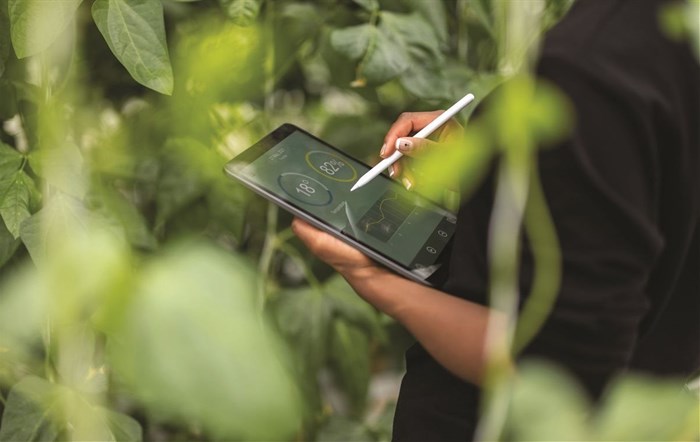
According to eSusFarm, a South African agri-fintech company, the financing gap facing smallholder agriculture across the continent is estimated at $65bn, driven largely by challenges in risk assessment and access to reliable farm-level data.
In many African countries, agriculture contributes up to 40% of GDP, yet receives only a small share of formal lending. Farmers are often excluded from financial services because lenders and insurers have limited visibility into production, climate exposure and recovery potential.
Data gap drives financing challenges
A lack of reliable agricultural data remains one of the biggest barriers to expanding finance for smallholder farmers.
Unlike large commercial farms, many smallholder operations do not generate formal production records or long-term reporting data, making it difficult for financial institutions to assess risk accurately.
Without sufficient information, risk is often priced too high or avoided altogether.
According to eSusFarm, many existing agricultural technology solutions rely on smartphones and reliable internet connectivity, creating additional barriers for farmers operating in low-connectivity environments.
Using AI to assess agricultural risk
The company has developed a platform that combines satellite imagery, weather data and historical climate patterns to build risk profiles for smallholder farmers.
Farmers can access the platform via USSD on feature phones, eliminating the need for smartphones or constant internet access.
Artificial intelligence models analyse environmental and agricultural data to assess crop and yield risk, supporting parametric insurance products designed to respond to predefined weather events.
When agreed weather thresholds are met, payouts can be triggered automatically and paid directly to farmers through mobile money channels.
“For too long, smallholder farmers have been invisible to financial systems, not because they lack creditworthiness, but because no one has built the infrastructure to prove otherwise,” says Watson Vuyo Matsa, CEO and Co-Founder, eSusFarm.
“Our role is to turn the data that already exists in the field into a financial identity that opens doors to credit and insurance.”
Expanding access to finance
According to the company, improved risk assessment can help reduce operational costs for insurers while giving lenders greater confidence to extend credit to underserved agricultural markets.
“One of the greatest impressions the platform had on me was its ability to collect and collate farming data for smallholder farmers,” comments Nontokozo Davidson, development finance professional and founder of Adopt-a-Farmer.
“If harnessed and scaled, this will be a game changer for the industry.”
The company says insured farmers are generally better positioned to recover from adverse weather events, helping to stabilise household incomes and strengthen resilience within farming communities.
Growth plans across Africa
eSusFarm currently operates in parts of Southern and East Africa and is expanding into West Africa.
According to the company, the platform has engaged more than 380,000 smallholder farmers and over 20,000 insurance and advisory users.
The business has participated in the Microsoft for Startups programme and the Microsoft and NVIDIA GenAI Accelerator, while using Microsoft Azure to process satellite, climate and USSD data.
“Our focus is helping African founders build solutions that can scale securely and reliably,” says Gerald Maithya, Microsoft Africa Transformation Office Lead.
“eSusFarm shows how AI and cloud infrastructure can translate climate and crop data into faster payouts and more confidence for insurers and lenders - unlocking credit for smallholders at scale.”
The company says future developments will include expanded satellite crop monitoring, advanced AI-driven risk scoring, and continuously learning models aimed at improving risk assessments over time.
“We’re not building another app for farmers. We’re building the financial rails that an entire continent of smallholders has never had access to, so that when the next drought comes, or the next opportunity, they’re not left behind,” Matsa says.